Our Blog

Semantic Integration vs Point-to-Point Integration
Most enterprises struggle with integration not because systems can’t connect
but because they don’t agree on meaning.
Point-to-Point Integration
Point-to-point integration connects systems directly. It moves data from A to B using tightly coupled interfaces, custom mappings, and embedded business logic. It works - until scale, change, or reuse is required. Each new integration adds complexity, duplication, and fragility.
Semantic Integration
Semantic integration takes a different approach.
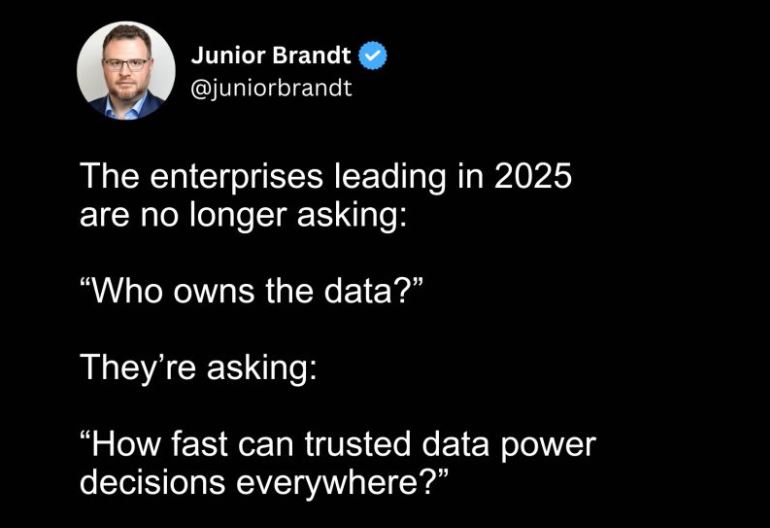
Instead of connecting systems based on schemas, it connects them based on shared meaning. Business concepts, relationships, and rules are defined once and reused everywhere.
Systems interact through semantic models and APIs that understand what the data represents, not just how it’s structured.
The Structural Difference
The difference is structural:
Point-to-point integration optimizes for speed of delivery
Semantic integration optimizes for change, scale, and consistency
The Real Challenge
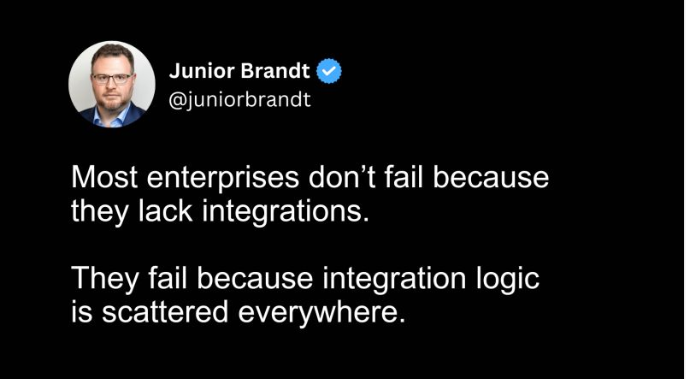
Most enterprises don’t fail because they lack integrations.
They fail because integration logic is scattered everywhere.
The Architectural Shift
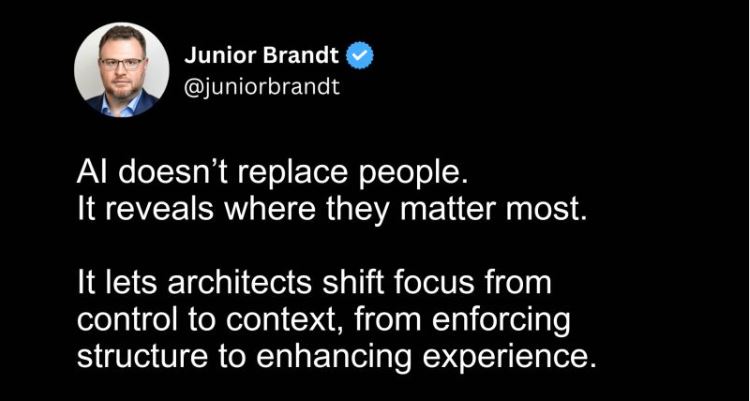
Semantic integration centralizes meaning, reduces duplication, and enables interoperability across domains, platforms, and AI agents.
That’s how integration stops being plumbing -
and becomes an architectural asset.
Related Articles