Our Blog

The Hidden Cost of Tool Integration
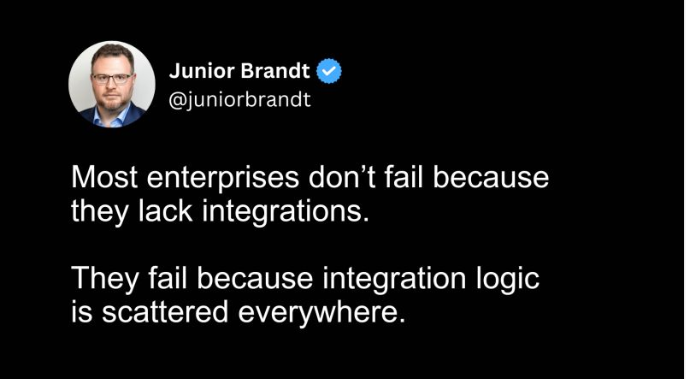
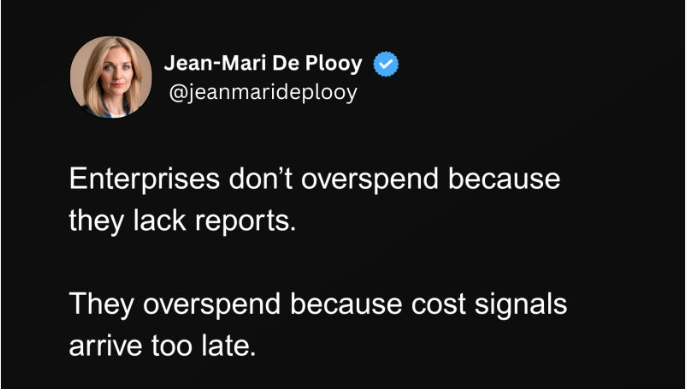
Most enterprises don’t overspend because of tools.

Most enterprises don’t overspend because of tools.
They overspend because of how tools are connected.
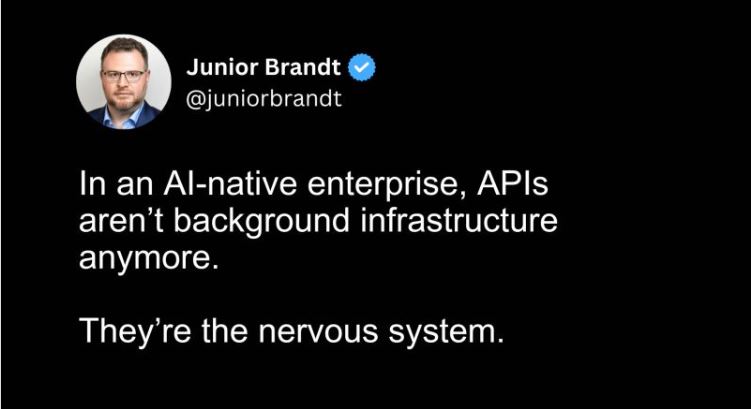
APIs, connectors, sync jobs, event streams, middleware - each looks small in isolation. Together, they create a persistent, compounding cost layer that rarely shows up clearly on a budget.
What Integration Really Drives
Integration drives:
- API call volume and throttling costs
- Data movement and egress charges
- Duplicate processing across tools
- Operational overhead to maintain connectors
- Hidden reliability and latency risks
These costs scale silently as usage grows.
The problem is structural.
Integration is treated as plumbing, not as a billable capability.
Making Integration Costs Visible
Mature enterprises make integration costs visible by:
- Mapping integrations to business capabilities
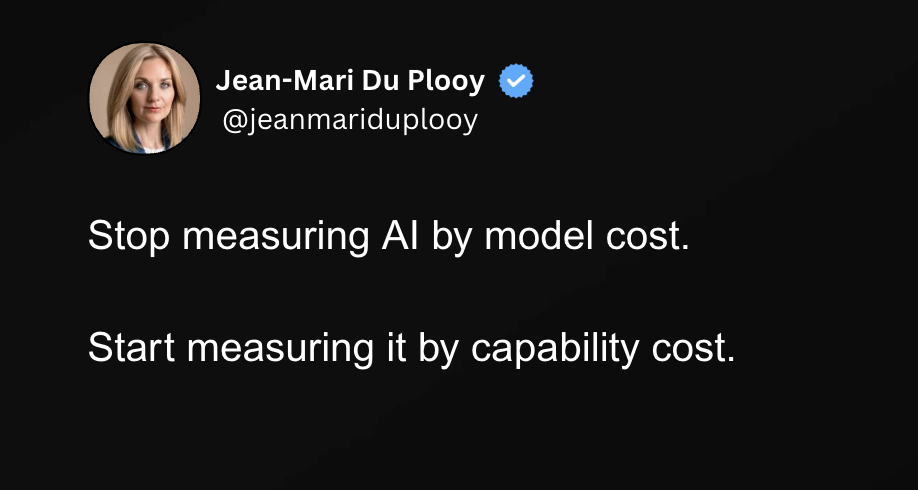
- Measuring cost per flow, not per tool
- Designing fewer, reusable integration patterns
- Including integration cost in TCO decisions
The FinOps Perspective
FinOps isn’t just about cloud spend.
It’s about exposing the economic footprint of architecture choices.
The Outcome
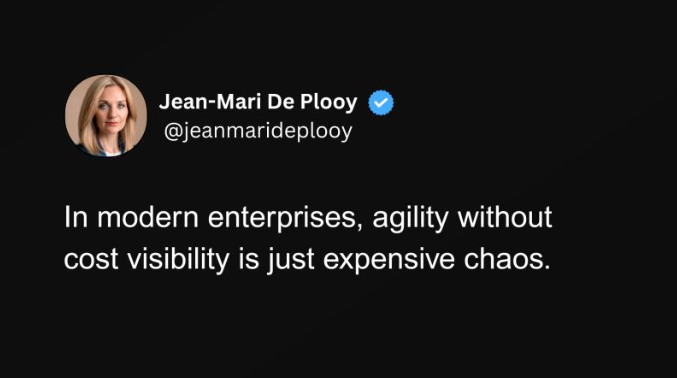
When integration costs become visible, architecture decisions get sharper — and a lot more honest.
Related Articles