Our Blog

Why Enterprise Cost Visibility Alone Isn’t Enough
Most enterprises are good at cost reporting.
Monthly dashboards. Forecasts. Variance reports.
Useful - but always after the fact.
By the time costs are reported, the decisions that caused them are already locked in.
From Cost Reporting to Cost Observability
Cost observability takes a different approach.
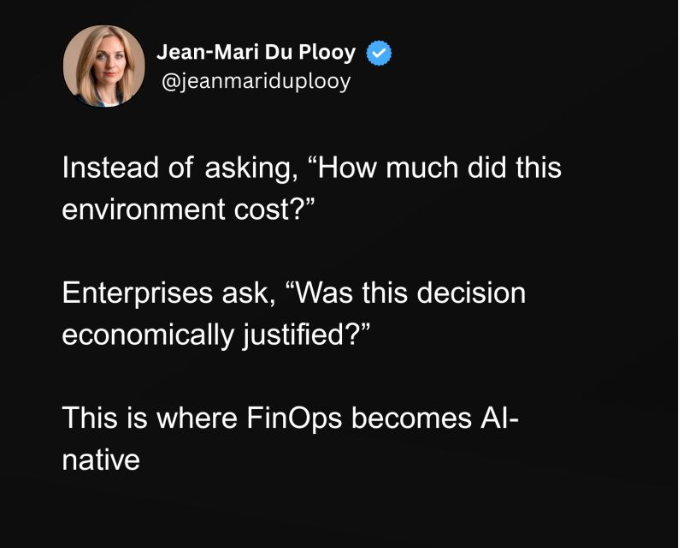
Instead of asking “What did we spend?”, it asks:
“Why is this cost happening right now?”
What Cost Observability Connects
Cost observability connects spend to:
- workloads and services
- architectural choices
- usage patterns and demand
- business capabilities and outcomes
It surfaces cost as systems run, alongside performance, reliability, and risk.
The Critical Difference
The difference is critical:
- Cost reporting explains the past
- Cost observability informs decisions in the present
The Real Problem
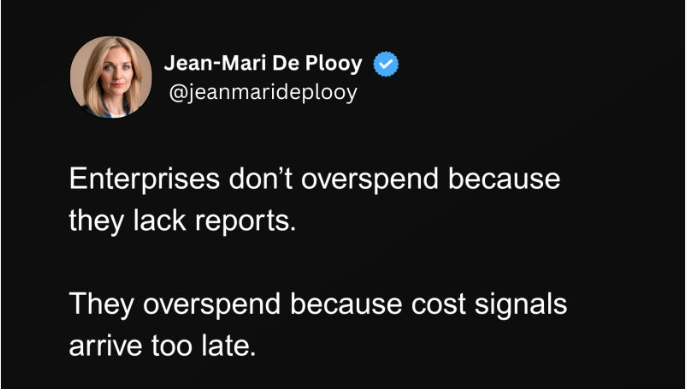
Enterprises don’t overspend because they lack reports.
They overspend because cost signals arrive too late.
The Shift to Real-Time Control
When cost becomes observable in real time, teams can adjust design, scale, and behavior before spend escapes control.
That’s when FinOps stops being a finance exercise -
and becomes an operational capability.
Related Articles