Our Blog

You Can’t Automate What You Can’t Understand
For years, enterprise data strategies focused on lakes, warehouses, and pipelines.
Important...but insufficient.
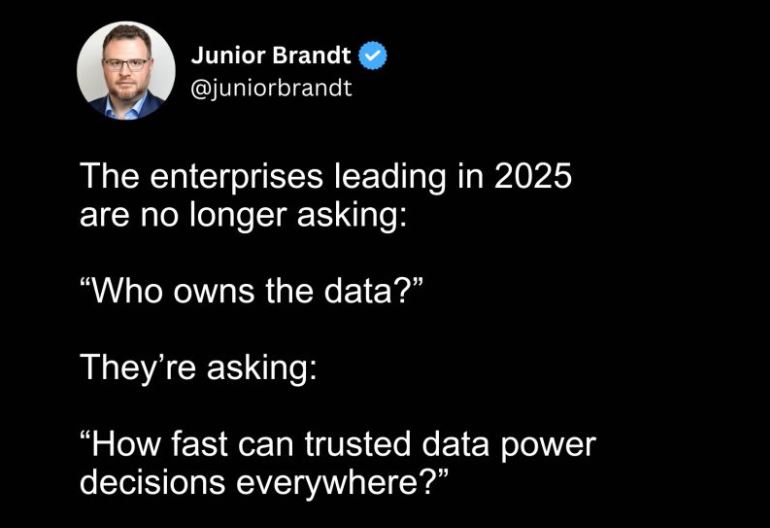
Today’s real bottleneck isn’t data volume - it’s data meaning.
The Emerging Question
As enterprises shift into AI-driven operations, a fundamental question has emerged:
"How do we give our systems - and our AI - a shared, trusted understanding of the business?"
The Role of the Semantic Data Layer (SDL)
That’s where the Semantic Data Layer (SDL) comes in.
Semantic architecture transforms raw data into a connected, contextual fabric.
It defines what things are - not just where they live.
What a Robust SDL Enables
A robust SDL allows organizations to:
- Establish business-aligned meaning through ontologies and knowledge graphs
- Create interoperability across domains with canonical and domain models
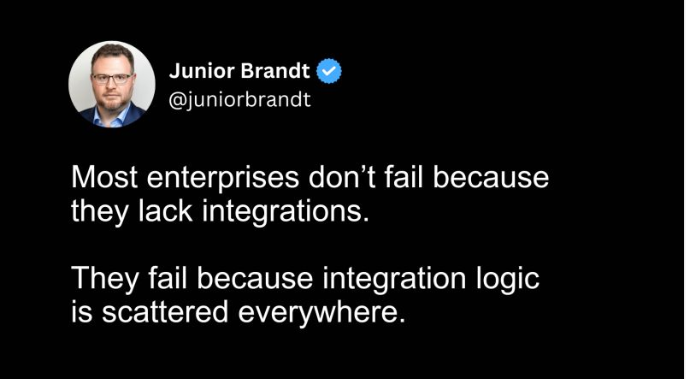
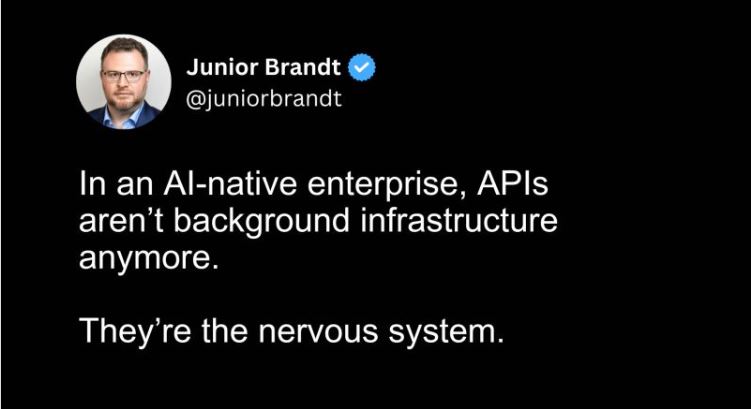
- Expose consistent meaning via semantic APIs - not point-to-point integrations
- Power AI with context-rich, machine-understandable data
- Automate compliance with lineage, metadata, and policy layers
A Shift in Enterprise Architecture
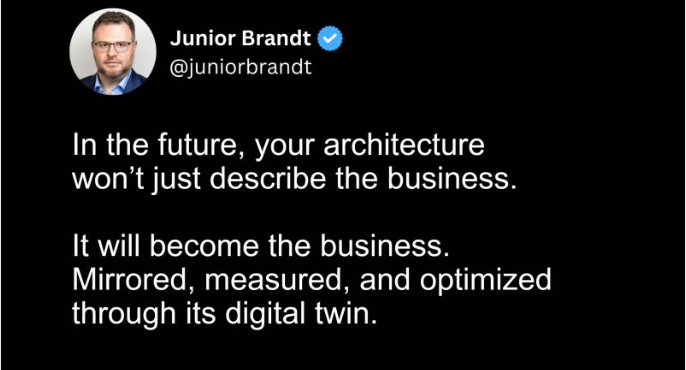
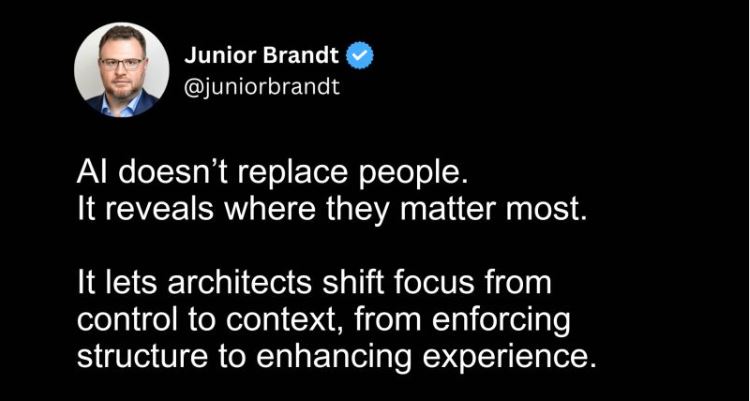
This shift reframes the enterprise architecture role:
From mapping systems to mapping meaning.
From Experimentation to Transformation
When your architecture understands your business - not just your data -
AI stops being experimental and starts being transformational.
The Bigger Picture
The Semantic Data Layer is not a data initiative.
It’s the blueprint for the AI-native enterprise.
Related Articles